
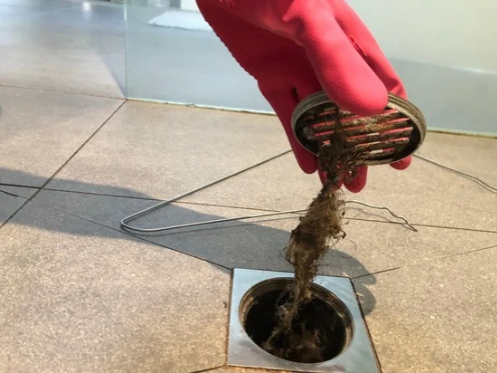
When you have a slow-draining sink or a clogged shower, it’s tempting to grab the quickest fix available. A bottle of chemical drain cleaner from the local hardware store seems like an easy, inexpensive solution. You pour it down the drain, wait a bit, and hope the problem disappears. But while these products promise convenience, they hide a bigger problem: the potential for serious damage to your home’s plumbing system.
Chemical drain cleaners can harm your pipes, creating issues that go far beyond the initial clog. Before you pour another bottle down the drain, it’s important to understand what’s happening inside your plumbing and why a professional approach is almost always the safer, more effective choice for homeowners in Texas.
How Chemical Drain Cleaners Attack Clogs
Most liquid drain cleaners are caustic, oxidizing, or acid based. They work by creating a powerful chemical reaction to dissolve the organic materials causing the clog, like hair, grease, and soap scum. This reaction generates significant heat to break down the blockage and clear a path for water.
While this reaction sounds effective, the very process that makes these cleaners work is what makes them so hazardous. The intense heat and corrosive agents affect everything they touch, including the pipes themselves. Such contact can lead to a cascade of problems, from weakened pipe walls to complete plumbing failures.
Drain Cleaner Damage Explained
Different types of pipes react differently to these harsh chemicals, but none are truly immune to the potential harm. Whether your Dallas-area home is brand new or has its original historic plumbing, introducing caustic substances into your system is a gamble.
Damage to PVC and Plastic Pipes
Many modern homes use PVC pipes for their drainage systems. While durable, PVC is not invincible. The intense heat generated by chemical drain cleaners can cause these plastic pipes to soften, warp, or even melt. This damage is most likely to occur at connection joints where the pipe is already under stress. Weakened joints can lead to slow leaks that go unnoticed for weeks, causing water damage and mold growth behind walls or under floors.
Corrosion of Metal Pipes
Older homes in Fort Worth and San Antonio often have plumbing systems made of cast iron or galvanized steel. These metal pipes are particularly vulnerable to the corrosive nature of chemical cleaners. Acidic and caustic formulas can accelerate corrosion, eating away at the pipe material. Over time, this thins the pipe walls, making them susceptible to cracks and leaks. Repeated use can turn a simple clog into a need for expensive drain repair.
Harm to Seals, Gaskets, and Fixtures
The damage isn’t limited to the pipes hidden in your walls. The powerful chemicals can degrade rubber gaskets and seals within your plumbing fixtures. This can affect the wax ring at the base of your toilet, the seals in your garbage disposal, and the gaskets in your sink drains. Furthermore, an accidental splash can permanently mar the finish on stainless steel sinks, chrome faucets, and other decorative fixtures, causing aesthetic damage.
Hidden Safety and Environmental Hazards
The risks associated with chemical drain cleaners extend beyond your plumbing system. These products are highly toxic and demand extreme caution during use, posing a threat to your family’s health and the environment.
Toxic Fumes and Chemical Burns
When you pour a chemical cleaner down the drain, it can release toxic fumes into your home. In a poorly ventilated space like a small bathroom, these vapors can cause respiratory irritation, dizziness, and other health issues. Direct contact is even more dangerous. A small splash can cause severe chemical burns to the skin and eyes that require immediate medical attention.
The Danger of Mixing Chemicals
One of the greatest dangers arises when a chemical cleaner fails to clear the clog. A homeowner might be tempted to try a different product or pour another substance down the drain. Mixing different types of drain cleaners can create a volatile reaction, producing toxic chlorine gas or, in some cases, a small eruption that sends caustic liquid flying out of the drain.
Why Chemical Cleaners Can Make Clogs Worse
Ironically, the quick fix you’re hoping for can often lead to a more stubborn, long-term problem. Chemical cleaners are rarely a complete solution and can compound the issue you were trying to solve.
Leading to an Incomplete Solution
Often, a chemical cleaner will only burn a narrow tunnel through the center of a clog. While this may temporarily restore water flow, it leaves the bulk of the greasy, sticky buildup clinging to the pipe walls. This remaining debris acts as a magnet for new particles, causing the clog to reform quickly, often worse than before.
Creating a More Stubborn Blockage
In cases of severe grease clogs, the heat from the chemical reaction can cause the grease to liquefy and then resolidify further down the pipe. This can create a harder, more compact blockage that is more difficult to remove. The chemicals become trapped behind this new clog, continuing to eat away at your pipes in one concentrated spot.
Masking a More Serious Problem
A recurring clogged drain in your Dallas home could be a symptom of a much larger issue within your main line, such as tree root intrusion or a sagging sewer pipe. Using chemical cleaners only addresses the immediate backup, masking the underlying cause. This delay allows the real problem to worsen, potentially leading to a major sewer backup that requires extensive sewer repair in addition to drain and sewer cleaning.
The Professional Alternative for Safe, Effective Drain Cleaning
Instead of relying on harsh chemicals, a professional plumber uses specialized tools that remove the entire blockage without harming your pipes. At Jim's Plumbing Now, our expert technicians rely on proven methods for safe and thorough drain cleaning.
- Mechanical Snaking: A flexible auger breaks apart and removes the clog
- Hydro Jetting: High-pressure water jets scour pipes to remove tough buildup
- Video Camera Inspections: A camera finds the exact location and cause of the problem
When to Call a Professional San Antonio Plumber
While a simple plunger can handle a minor clog, many situations require professional attention. It’s time to call an expert if you experience any of the following signs:
- A clog that returns repeatedly
- Multiple slow or backed-up drains
- Gurgling sounds from drains or toilets
- Persistent foul odors from drains
- A clog that remains after using chemicals
Ignoring these symptoms can lead to more significant plumbing emergencies. Professional Fort Worth drain cleaning services can resolve the immediate issue and identify any underlying problems before they escalate.
Trust Your Pipes to the Experts
That bottle of drain cleaner on the shelf might seem like a fast and easy answer, but the potential for pipe corrosion, safety hazards, and incomplete results makes it a risky choice. For a truly effective and safe solution that protects your plumbing investment, the best course of action is to call a professional. The team at Jim's Plumbing Now has the tools and expertise to handle any clog, big or small.
Instead of reaching for a chemical solution, request service with Jim's Plumbing Now for professional drain cleaning in Dallas, Fort Worth, or San Antonio today.