







In this article…
- What Are PFAS in Drinking Water?
- Are PFAS in Dallas/Fort Worth Water?
- How PFAS Can Affect Your Plumbing and Appliances
- How to Protect Your Home and Family From PFAS in Water
- Finding The Best Water Filtration System For You
Have you ever heard of something called “forever chemicals” in your drinking water?
There’s been a lot of buzz lately about something called PFAS in drinking water. You might’ve seen it in the news, on social media, or even in city reports.
But what exactly are PFAS, and are they in the water here in Dallas-Fort Worth?
Understanding what’s in your water is crucial to know how it affects the taste, your plumbing, and your overall health. Luckily, we’re here to help.
Jim’s Plumbing Now is the trusted plumbing expert in the DFW metroplex, offering high-quality plumbing repairs, water heater replacements, and professional water filtration systems.
The truth is there are a lot of contaminants and minerals in our drinking water that you may not be aware of, from excessive chlorine levels, nitrates and nitrites, and PFAS.
Most contaminants do have a defined maximum that is deemed “safe” in drinking water, including PFAS. However, that does not protect us from their effects.
So, you want to know what PFAS are, how they affect your water and your health, and how you can minimize them in your drinking water.
This article will explore just that along with what levels of PFAS are found in DFW’s water supply and what the best options are for you to regulate how many PFAS you consume.
What Are PFAS in Drinking Water?
PFAS, which stands for per- and polyfluoroalkyl substances, are man-made chemicals that have been used in manufacturing since the 1940s. They are commonly found in products like:
- Non-stick cookware (like Teflon)
- Water-resistant clothing
- Food packaging
- Firefighting foam
They’re known as “forever chemicals” because, similar to microplastics, they don’t break down easily in the environment or the human body. Once they’re in the water, soil, or air, they tend to stick around.
Over time, they’ve made their way into rivers, lakes, and eventually our drinking water systems through runoff, industrial discharge, or wastewater.
The federal standard for the two most common PFAS (PFOS and PFOA) is 4.0 parts per trillion (ppt), however, recent monitoring for PFAS is still ongoing.
Are PFAS Harmful to Your Health?
The main concern with PFAS is long-term exposure. According to the U.S. Environmental Protection Agency (EPA), high levels of PFAS over time may lead to:
- Hormonal disruptions
- Increased cholesterol levels
- Reduced immune response
- Higher risk of some cancers (like kidney or testicular cancer)
- Developmental issues in children
That’s why federal guidelines are getting stricter as the goal is to keep PFAS levels as close to zero as possible.
Are PFAS in Dallas/Fort Worth Water?
Yes, PFAS have been detected in multiple water systems across North Texas, including in Dallas, Fort Worth, and surrounding DFW suburbs.
Recent testing conducted by the EPA and local utilities (as part of the UCMR5 testing program) found trace to moderate levels of various PFAS compounds, including:
- PFOA
- PFOS
- PFHxS
- PFNA
While most levels in DFW systems are currently below enforceable limits, they may still exceed the new health advisory limits proposed by the EPA, which are now set at virtually zero (4 parts per quadrillion for PFOA and PFOS).
Here’s a breakdown of the recent PFAS levels found in the City of Dallas Water Quality Report for 2024:
- PFOA
- Average Level: 1.6 ppt
- Maximum Level Found: 6.3 ppt
- PFOS
- Average Level: 0.8 ppt
- Maximum Level Found: 5.1 ppt
- PFHxS
- Average Level: 0.9 ppt
- Maximum Level Found: 3.8 ppt
- PFHxA
- Average Level: 8.8 ppt
- Maximum Level Found: 17.9 ppt
- PFNA
- Average Level: Not Determined
- Maximum Level Found: Not Determined
So even if your local water utility is in compliance, you could still be drinking trace amounts of these chemicals every day.
Even the smallest amount of exposure to PFAS chemicals can affect your health, which is why you want to know how you can filter them out.
How PFAS Can Affect Your Plumbing and Appliances
PFAS themselves aren’t known to corrode pipes or damage plumbing in the same way chlorine might. But there are a few unique things you should know about PFAS and your plumbing systems.
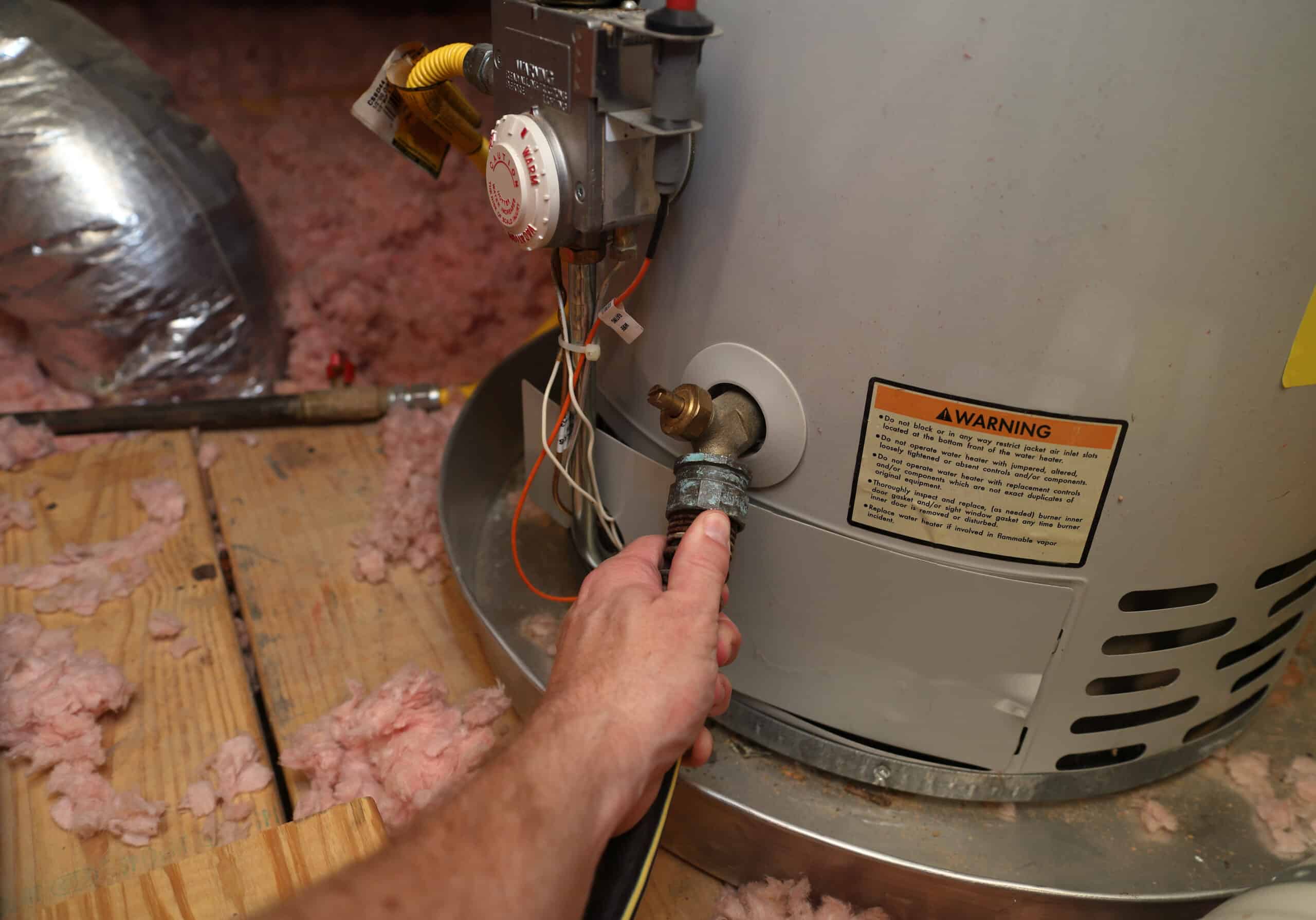
PFAS typically accumulate in hot water appliances, such as water heaters, which can reduce the efficiency of your water heater and make them most prevalent when hot water is in use.
They can also reduce the effectiveness of reverse osmosis membranes or filters over time if not properly maintained.
Overall, long-term exposure in fixtures or taps could contribute to a buildup that may affect taste or require flushing or replacement.
So while the bigger concern is your health, PFAS may still indirectly influence how well your plumbing holds up or performs over time.
How to Protect Your Home and Family From PFAS in Water
Traditional municipal water treatment systems (which handle chlorine, sediment, and bacteria) do not effectively filter out PFAS. This leaves it up to you.
If you’re concerned about PFAS, the good news is there are effective ways to remove them at the point-of-use or throughout your home with filtration systems.
Here are some of the best ways to filter out PFAS for your drinking water:
- Activated carbon filters (some, but not all, are rated to reduce PFAS)
- Reverse osmosis systems (RO is one of the most effective PFAS filters)
- Whole-home filtration systems specifically rated for PFAS reduction
We recommend looking for systems certified to NSF/ANSI Standard P473, which specifically targets PFAS.
At Jim’s Plumbing Now, we help homeowners install and maintain filtration systems designed to remove not just chlorine, but PFAS, heavy metals, and other contaminants.
If you’re curious whether your current water setup is doing enough, we can help you test and upgrade.
Schedule your water testing with Jim’s Plumbing Now today!
Finding The Best Water Filtration System For You
Now that you have a basic understanding of what PFAS chemicals are, how they affect your health and plumbing, and some of the best ways to minimize the amount of PFAS you consume, you want to know the next steps to finding the right filtration system for you.
While PFAS are newly studied, there’s enough information out there to know that they are not good for you. Since these chemicals take nearly forever to break down in your body, the best course of action is to filter them out as best as possible.
City water supplies do work to monitor and reduce PFAS in your water, but these chemicals aren’t easy to eliminate without taking extra steps at home.
Investing in a high-quality whole-home filtration system rated to remove PFAS from your drinking water is the best way to ensure cleaner, healthier, and better-tasting water.
At Jim’s Plumbing Now, we offer high-quality whole-home and reverse osmosis water filtration systems to provide you with safer, better-tasting water.
Our expert plumbers will not only properly test your water and educate you on the results, but also provide you with the best solution to meet your water quality needs.
Ready to upgrade your home’s water and plumbing health? Schedule your water test with Jim’s Plumbing Now today to learn more!